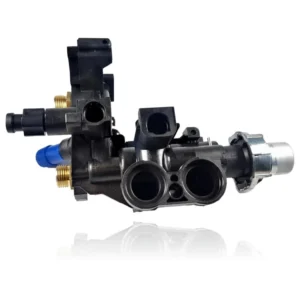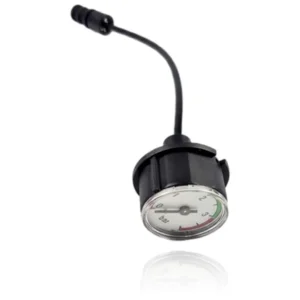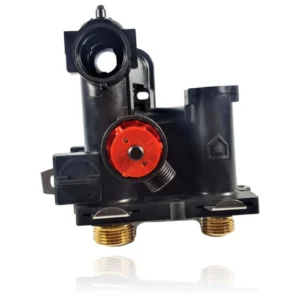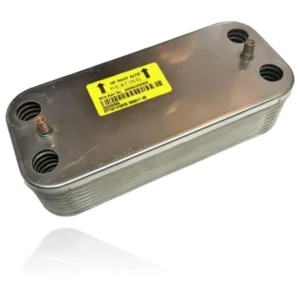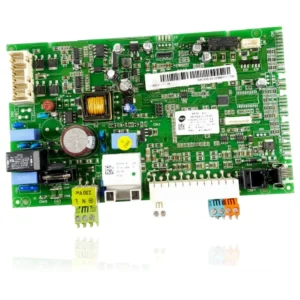


























































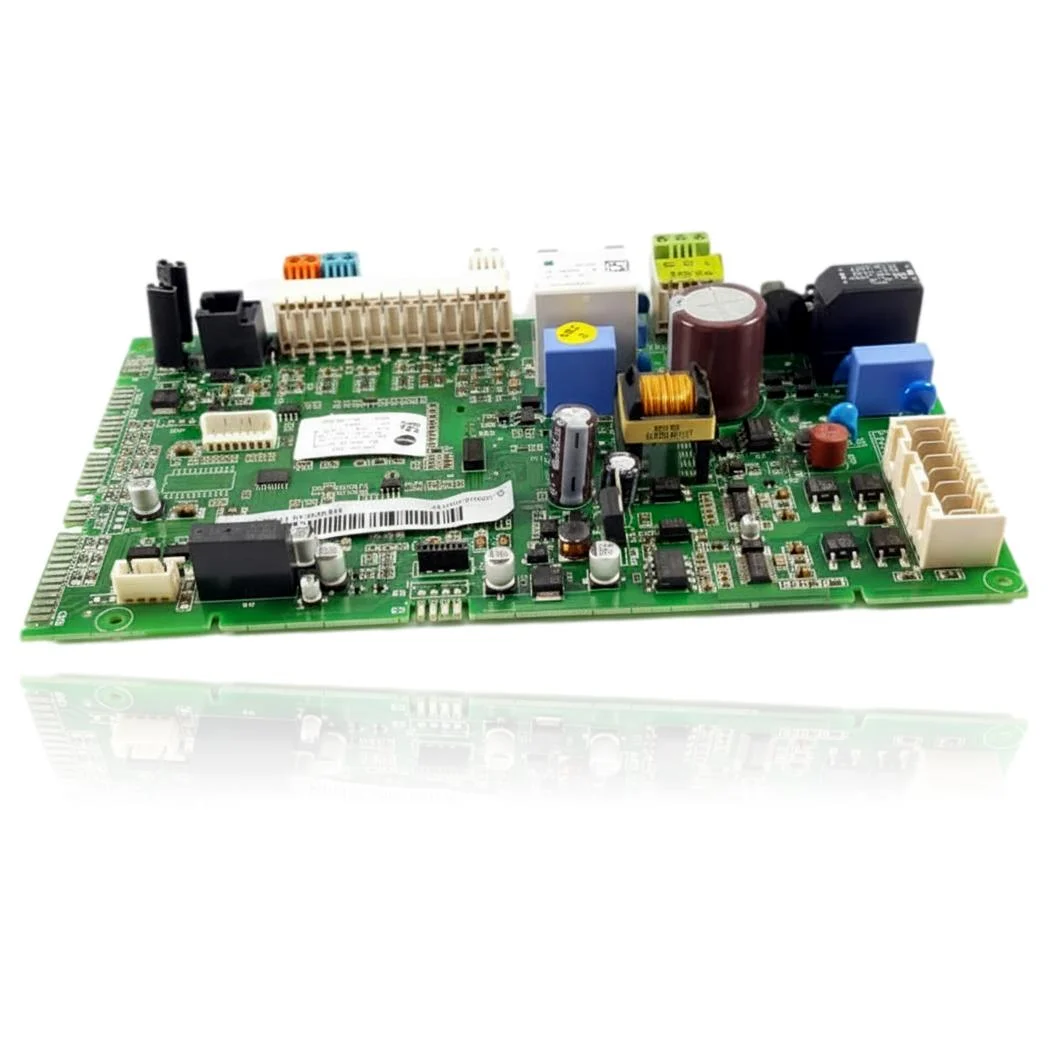
Ariston Genus ONE 24 PCB Ref. 65116545 05
Ariston Genus ONE 24 PCB (control board) Ref. 65116545 05, designed to control the ignition, burner modulation, pump, and safety features of the boiler. When faults occur, the boiler may fail to start, lock out, or exhibit erratic behavior. This part is compatible with models such as GENUS ONE 24, GENUS ONE 30, GENUS ONE SYSTEM 24, among others. It is advisable to replace it upon noticing any of these symptoms or when receiving fault codes such as 3 01, 3 02, 3 03, 3 05, or 3 06.
VAT included
Consult via WhatsAppAriston boilers compatible with reference 65116545 05
PCB with reference 65116545 05. 12 confirmed compatibilities: GENUS ONE 24 and GENUS ONE 30.
Proven compatibility
| Boiler model | Family | Verification |
|---|---|---|
| Ariston GENUS ONE 24 | Genus One | Contrasted |
| Ariston GENUS ONE 30 | Genus One | Contrasted |
| Ariston GENUS ONE 35 | Genus One | Contrasted |
| Ariston GENUS ONE SYSTEM 24 | Genus One | Contrasted |
| Ariston GENUS ONE SYSTEM 30 | Genus One | Contrasted |
| Ariston GENUS ONE SYSTEM 35 | Genus One | Contrasted |
| Ariston GENUS ONE NET 24 | Genus One | Contrasted |
| Ariston GENUS ONE NET 30 | Genus One | Contrasted |
| Ariston GENUS ONE NET 35 | Genus One | Contrasted |
| Ariston ALTEAS ONE NET 24 | Alteas One | Contrasted |
| Ariston ALTEAS ONE NET 30 | Alteas One | Contrasted |
| Ariston ALTEAS ONE NET 35 | Alteas One | Contrasted |
Can't see your model or have questions? The printed reference takes precedence. How to check it · Send us a photo via WhatsApp.
How to check if the reference 65116545 05 is the part for your boiler.
What determines it is not the boiler model, but the reference printed on the part you already have installed.
- Find the reference printed on the installed part and check whether it matches the catalogue reference 65116545 05. If it is not visible, do not identify the part from its shape alone.
- Check the full boiler model on its data plate and look for it in the model associations on this page.
- Compare the connections and physical body with the original part before installation.
- If anything is unclear, send us a photo of the marking via WhatsApp before placing your order.
Symptoms and faults that the PCB 65116545 05 resolves.
The PCB controls the ignition, modulation, and safety features of the boiler. These are the typical symptoms and what to do:
Common symptoms and faults
- 01
The boiler does not ignite and shows no signs.
Cause: The PCB is responsible for powering the other components; if it fails, the boiler cannot be started.
Measure with a multimeter if 230 Vac is reaching the input of the PCB before replacing it.
- 02
An error code related to the flame sensor appears and persists even after cleaning or replacing that part.
Cause: The problem may lie in the way the PCB interprets the signal, not in the component that indicates the fault code.
Check the signal of the sensor mentioned with a multimeter before replacing the PCB.
- 03
The boiler's remote control or control panel is unresponsive, as if it were turned off.
Cause: The communication between the control and the PCB is carried out through this card; if it fails, the control will not work.
Inspect the connector and the cable that connects the control with the PCB before considering that the board is faulty.
- 04
The boiler turns off by itself while operating and restarts after a few minutes.
Cause: This symptom usually indicates that the PCB has damaged electronic components that cause intermittent cuts.
Record the time and frequency of the power outages; if they coincide with the use of other devices, check the electrical installation first.
Fault codes for Ariston that this part resolves.
| Code | Fault | Diagnosis and solution |
|---|---|---|
| 3 01 | EEPROM (memory) error of the PCB. | The EEPROM memory of the main PCB is damaged or corrupted; if after a reset the 3 01 reappears without external faults, the PCB is responsible. Check for stable voltages on the PCB and, if necessary, reprogram or replace the PCB. |
| 3 02 | Communication error (GP–GIU). | Loss of communication between the main PCB (GP) and the interface/display (GIU), often due to a fault in the PCB itself. Check BUS wiring and power supply; if the issue persists, the technical documentation suggests replacing the PCB. |
| 3 03 | Main PCB fault. | Internal fault of the PCB (hardware/firmware) preventing equipment control; the self-diagnosis indicates "Main P.C.B. error". Confirm by ruling out external shorts and measuring 230 V/5 V on the board; if it persists, replace the PCB. |
| 3 05 | PCB fault. | Internal fault of the main PCB; the unit labels it as a PCB fault. Check power supply and connectors; if it persists after reset, replace the PCB. |
| 3 06 | Main PCB fault. | Internal fault of the main electronic control. Check voltages and absence of peripheral short circuits; if the error reappears, replace the PCB. |
| 3 07 | Main PCB fault. | Internal fault of the PCB detected by self-diagnosis. Confirm power supply and wiring; if it persists, the solution is to replace the PCB. |
| 3 09 | Gas relay check fault. | The gas valve relay is on the PCB; the self-check detects stuck contacts or control circuit out of tolerance. Verify activation and continuity of the relay on the board; if there is degradation of SMD components or the fault persists, replace the PCB. |
| 3 23 | PCB system fault. | Systemic fault of the main electronics (not attributable to external sensors). Check after reset, measure voltages and connectors; if it reappears, replace the PCB. |
These symptoms can have more than one cause. If your boiler displays a fault code, send it to us via WhatsApp along with a photo of the labeling, and we'll tell you if this is the part.
Data sheet for the Ariston PCB 65116545 05
- Catalogue reference
- 65116545 05
- Brand
- Ariston
- Type of part
- PCBs (control boards)
- Units in stock
- 1 unit
- Status
- Refurbished
- Warranty
- 1 year
- Shipping
- Delivery time shown at checkout
- Return
- 14 days
Data read on the part and in the manufacturer's documentation
What we have not been able to verify does not appear here.
- Supply voltage
- 230 Vac
- The internal code of the component is also not identified.
Frequently asked questions about the PCB 65116545 05
Does this PCB work for an Ariston Altea ONE Net 30?
What voltage does the PCB of the Ariston Genus ONE 24 operate at?
How many models are compatible with the Ariston Genus ONE 24 PCB Ref. 65116545 05?
What documented fault codes can indicate a problem with this PCB?
What is the reference for the Ariston Genus ONE 24 PCB?
Is this PCB compatible with the Genus One range?
Spare parts related to Ariston Genus One