


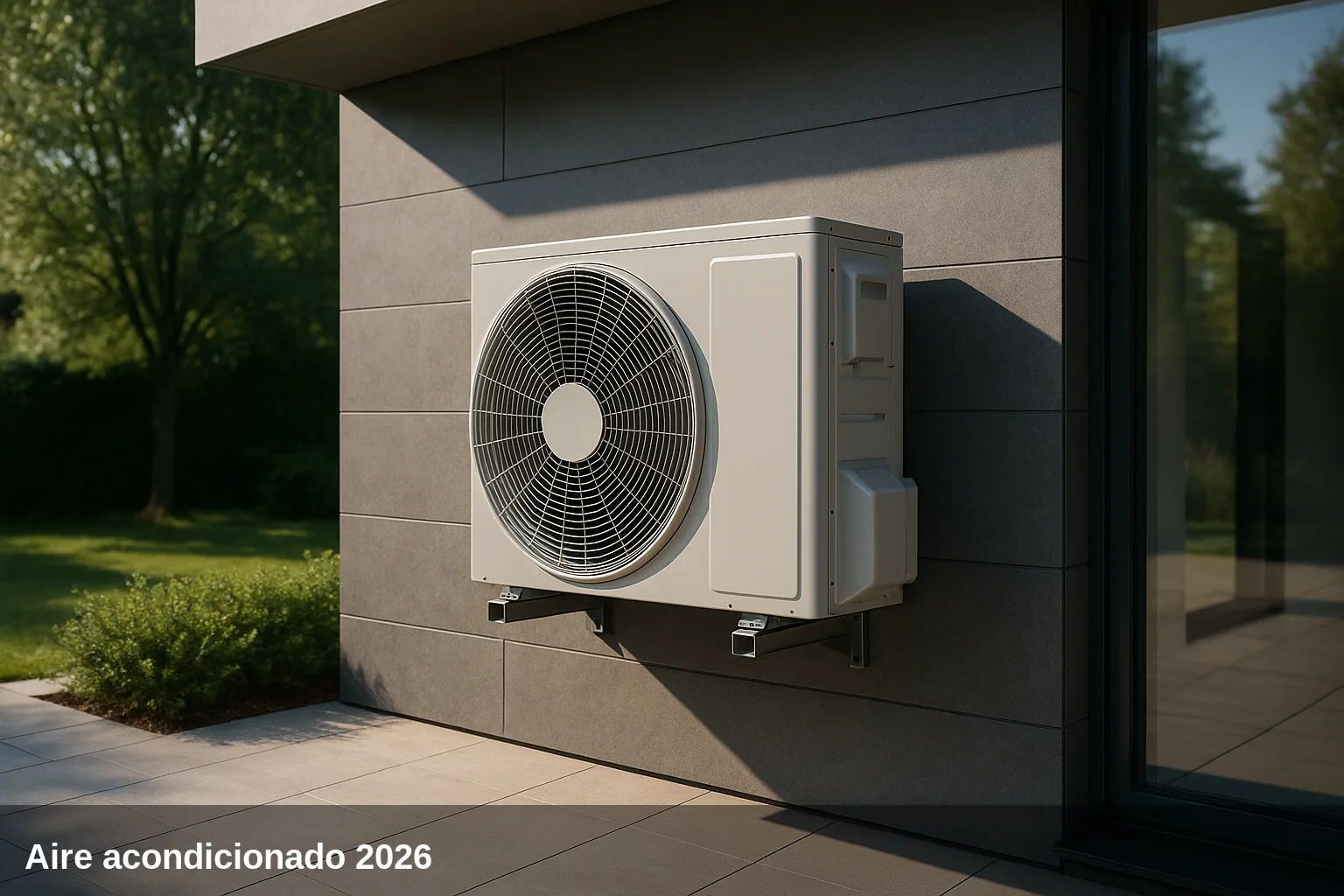

The comparison starts with the what will the air conditioning be used fora room at night, several rooms at the same time, or the entire home. Then check again. capacity, installation, seasonal efficiency and noiseNote what functions you need before comparing prices; a brand or the year of the range alone do not resolve that choice.
The guide helps you distinguish between types of equipment, read the label, and request a comparable proposal. If your current appliance has lost performance, check it first. what to check when the air is not coolinga fault does not necessarily mean that you have to replace it.
Types of air conditioning for 2026
Before looking at brands, it's important to be clear about which category your equipment should belong to. In summary, the real options for housing are:
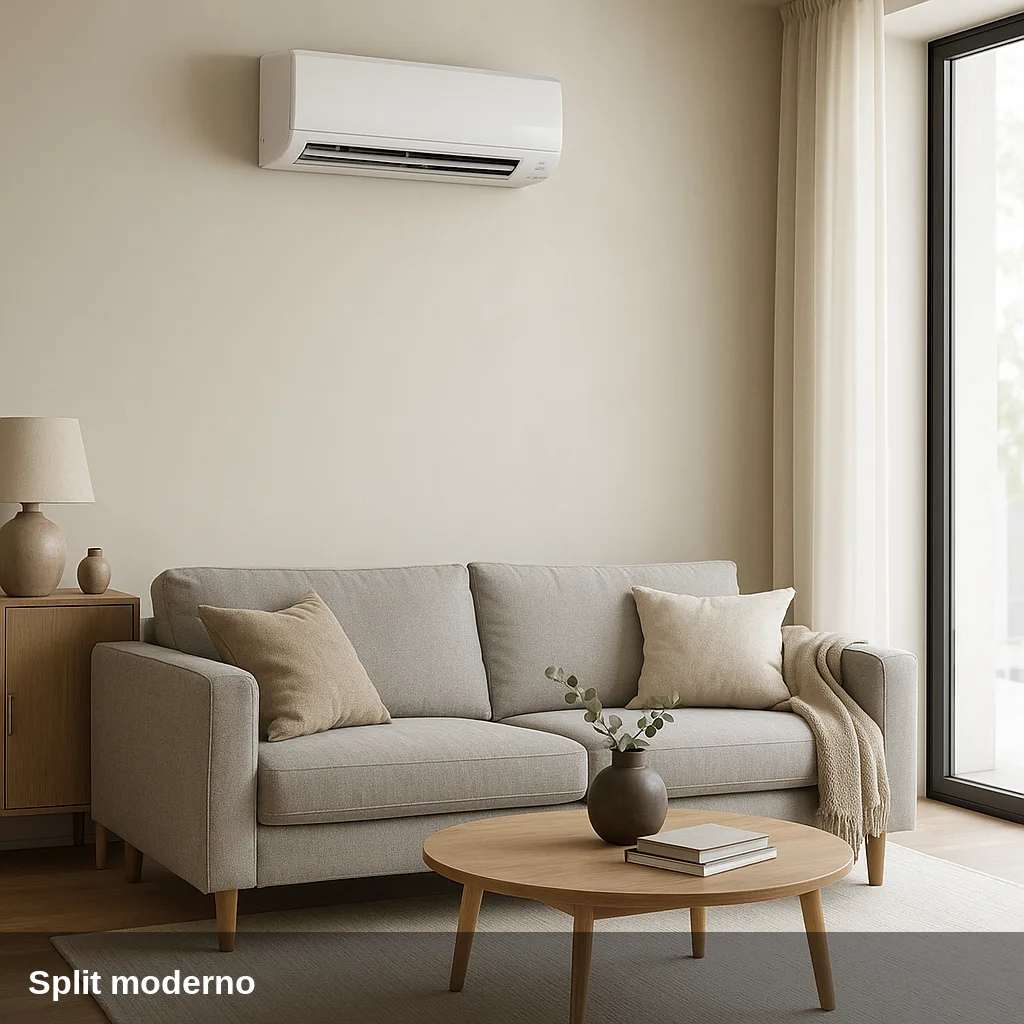
- Split 1×1an outdoor unit connected to an indoor unit. It fits when the need is concentrated in one room; study the location to distribute the air in that area.
- Multisplitan outdoor unit connected to several indoor units. Compare the combination approved by the manufacturer and what capacity it offers when multiple zones operate simultaneously.
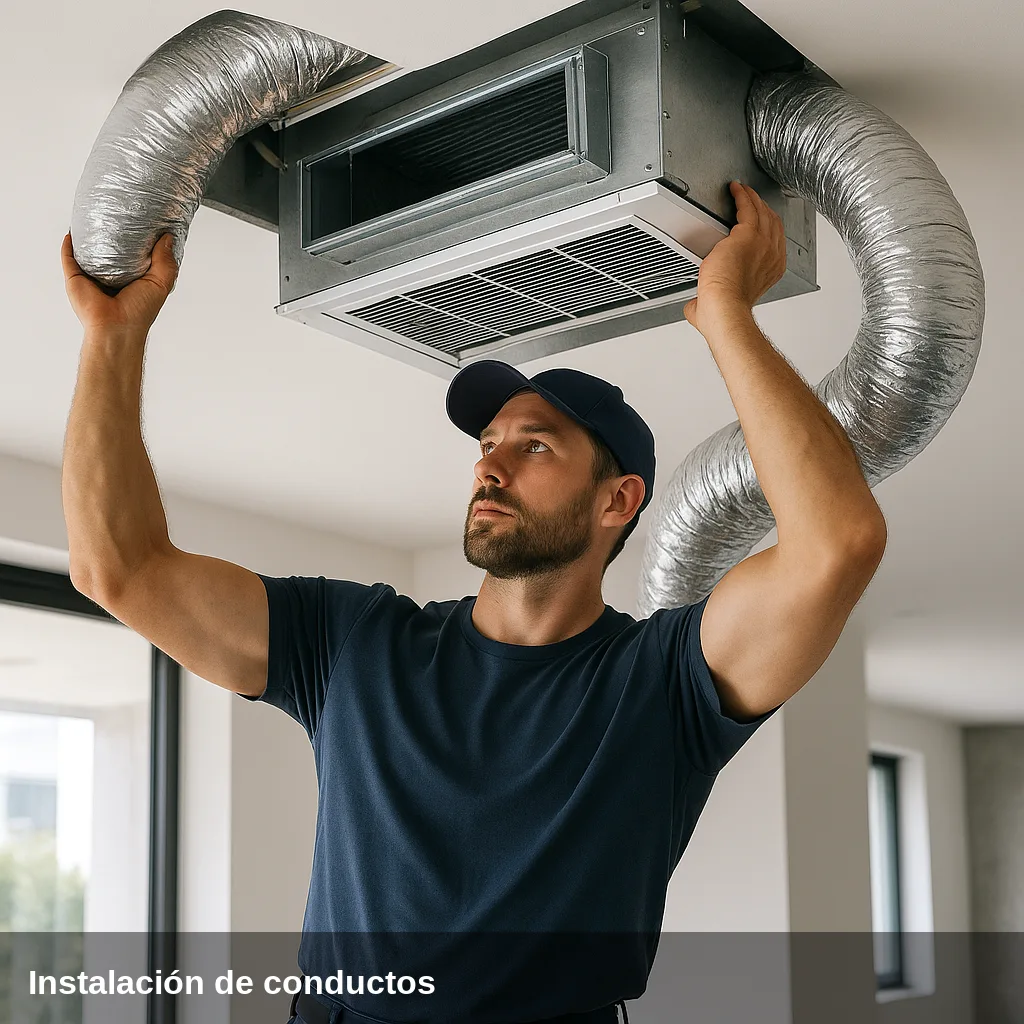
- DuctsIt distributes air through a network and grilles. It requires space, maintenance access, and a design that addresses supply and return.
- LaptopIt can meet a cooling need without a split installation. Check the air discharge, the available space, and the noise and consumption data of the unit.
Refrigerant: what to check before choosing
The refrigerant is identified on the label and in the equipment documentation. Its climate impact and installation requirements are important, but its name does not allow for calculating how much a device will consume nor does it guarantee that it can be installed anywhere. Check the specific model and installation conditions.
| Refrigerant | Starting data | What to compare? | What to confirm |
|---|---|---|---|
| R410A | Identification on the existing equipment | Condition and feasibility of its repair | Applicable conditions for the maintenance of the appliance |
| R32 | Reference and equipment combination | Energy label of that combination | Installation conditions from your manual |
| R290 | Model and specific application | Performance and requirements of the device | Manufacturer's permitted location |
The Regulation (EU) 2024/573 differentiate the introduction of new equipment in the market from the maintenance of already installed ones, with conditions and dates depending on the appliance and the gas. Therefore, it is not correct to summarize it as "R410A cannot be recharged from 2025." If you compare a purchase with a repair, ask them to evaluate both cases regarding your equipment.
Capacity, SEER, and SCOP: how to compare them
The cooling capacity indicates how much heat the equipment can remove; the seasonal efficiency relates the service provided to the electricity used under standardized conditions. They are different data. The European air conditioning label allows you to check capacity, efficiency, and declared consumption.
- SEER (Seasonal Energy Efficiency Ratio): seasonal efficiency in cooling mode.
- SCOP (Seasonal Coefficient of Performance): seasonal efficiency in heating mode.
How to size your equipment correctly
The power must be adjusted to the loads of each room. Undersizing can prevent achieving comfort; oversizing can also negatively affect operation. The Daikin room selection guide consider surface, orientation, insulation, and usage. A calculation per square meter serves as an initial approximation, not as a final selection.
Data to prepare for sizing:
- Dimensions and layout: area, height, and which rooms need to be air conditioned.
- Heat inputorientation, windows, shading, and insulation.
- Use of each zoneschedules, occupancy, and devices that provide heat.
Please ask the proposal to explain how the capacity has been chosen and what conditions have been taken into account. technical guide from IDAE on autonomous equipment develop the design and the heating and cooling loads; a single percentage correction by orientation does not replace that study.
What to compare in a split 1×1?
- Capacity and modulationPlease request the values for the interior/exterior combination, not the maximums for the entire range.
- NoiseCheck what magnitude and mode of operation each figure describes; avoid comparing values measured under different conditions.
- FiltrationIdentify the included filter and how it is maintained. A commercial function does not allow for resolving an allergy issue.
- Control and connectivitydistinguish what is included from the accessories and check which functions you will actually use.
- Documentation and maintenanceRequest complete references, manuals, and warranty conditions before accepting.
How to compare a multisplit?
A multisplit can be an option when you need multiple zones and want to limit the outdoor units. Before choosing it, compare the complete set and the intended simultaneous use:
- Accepted combinationexternal reference and compatible internal models, according to the manufacturer's documentation.
- Simultaneous operationavailable capacity for the areas you will use at the same time.
- Installationroutes, elevations, condensate drainage, and access for maintenance.
Ducted systems: when are they worth it?
Evaluate a duct system when:
- You need to heat several rooms and there is space for the unit and the network.
- Do you prefer a concealed indoor unit and can you maintain access for servicing?
- The distribution of supply and return it can be adapted to the rooms.
The design must define flow rates, ducts, grilles, and zone control. Request that the budget describes the work for false ceilings, drainage, and electrical installations that are necessary. The result depends on the installed system, in addition to the machine.
How to estimate consumption and reduce demand
To estimate the cost of use, you need electrical consumption and energy price during the same period. The cooling capacity in kW does not equate to the absorbed electrical power; it is also not enough to multiply the SEER by the hours of operation. Distinguish these data before comparing:
| Data | What is it for? |
|---|---|
| Declared consumption on the label | Compare equipment under standardized conditions, with equivalent capacity and climate. |
| Measured electrical consumption | Know the kWh used for the equipment for a specific period. |
| Price of your energy | Calculate the variable cost of those kWh according to the periods of your contract. |
To reduce demand, protect windows from the sun, ventilate during the cooler hours, and avoid excessively low settings. The IDAE recommends these guidelines and the periodic cleaning of filters.Program the operation according to the usage of the home; the inverter mode does not justify leaving it on all the time.
Frequently asked questions
Is it better to have one large split or two small ones?
It depends on the layout and which areas are used. Two separate rooms may require units or an air distribution system that serves each one; a single more powerful unit does not guarantee that distribution. Compare capacity, schedules, and installation before deciding.
Is it advisable to turn off the air conditioning when I leave the house for a short time?
Adapt the programming to your schedule and the team's instructions. There is no universally better number of minutes to leave it on: factors such as insulation, outside temperature, and the comfort you want upon returning play a role. Avoid keeping empty rooms cold out of habit.
Does the air conditioning also work for heating in winter?
It can do so if the model includes a heat pump. Inverter describes the compressor regulation, it does not confirm heating mode by itself. Check capacity and SCOP for the corresponding climate; the cost compared to other heating systems also depends on the rates and usage.
What maintenance does a split system need?
Follow the frequency and cleaning method outlined in the manual: not all filters are washable. Keep the air inlets and outlets accessible and consult the professional review according to the equipment and its usage. If performance has decreased, the cause must be diagnosed before requesting a recharge.
Do I need an F-Gas certificate to install?
The installation must be carried out by personnel with the applicable certification for the equipment and the work. Request the installation documentation and the warranty conditions. regulations on fluorinated gases include certification requirements; a warranty management does not replace the qualification.