What information do I need to know if you can handle my case?
Indicate the equipment, brand, model, locality, and what you need: repair, install, or maintain. Add access conditions if they affect the intervention. The page describes the service; availability, scope, and the visit are confirmed upon inquiry.
What should be clear before accepting a quote?
Request the scope in writing: diagnosis, travel, labor, materials, and possible additional work. Check what is included and what is excluded, the taxes, and the applicable conditions. If the diagnosis changes the proposal, ask for confirmation before authorizing new actions.
Does buying a boiler in the store include installation?
No. Buying the boiler and having it installed are separate services. The product page shows the model's price and what is supplied. Installation requires assessment of the location, connections, flue and any necessary adaptations. Ask for the two costs separately before deciding.
What photos help prepare the inquiry?
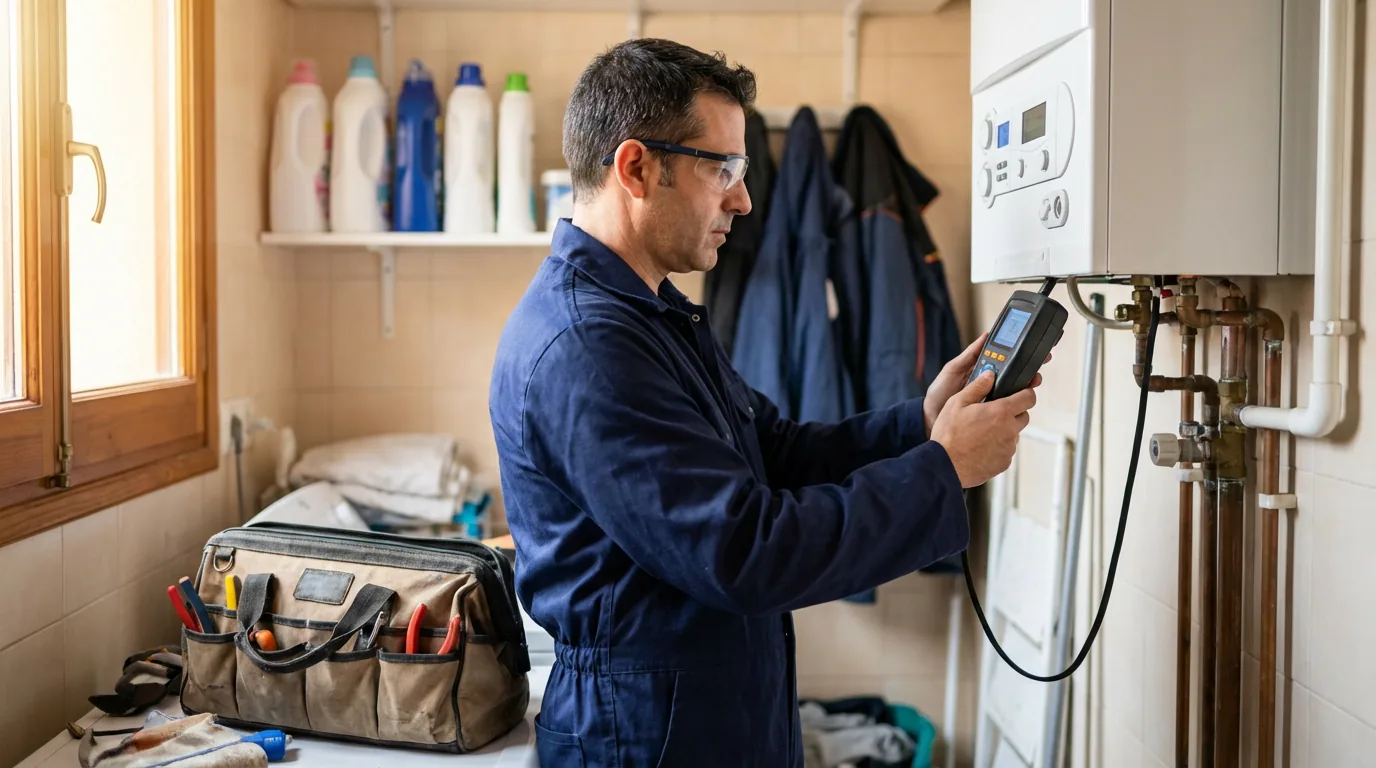
An overview of the equipment, its model label, and the warning displayed on the screen. In a replacement, the connections and the space around it are also helpful, always from a safe position. Do not remove casings or protections to take photos; avoid including unnecessary personal data.
Does the fault code identify the spare part I need to change?
Not necessarily. The meaning depends on the brand and model, and a warning can have more than one cause. Send the complete code, when it appears, and which function is failing. The diagnosis must correlate the warning with the equipment and installation; do not assume a part is faulty just because of the message.
Why is there hot water but no heating, or vice versa?
They are distinct functions, and the symptom alone does not identify the cause. To guide the inquiry, indicate which mode is working, if the thermostat requests heating, and if a warning appears. It does not automatically imply changing the three-way valve or the board; those hypotheses need technical verification.
What should I indicate if the boiler is losing pressure?
Note the visible reading with the equipment cold, how it changes with use, and how often it drops again. Indicate if you observe water around without disassembling anything. Repeatedly refilling does not explain or resolve the source of the loss; request a review and do not manipulate gas or safety elements.
Can the PCB be repaired instead of replaced?
It can be studied, but it depends on the reference, the damage, and the diagnosis. Not all electronic faults can be repaired. Before sending a board, consult the laboratory procedure; identification and extraction must be done properly, and compatibility is not confirmed by visual similarity.
Is the age of the boiler enough to decide whether to replace it?
Not by itself. Compare the diagnosis, the cost of repair, the availability of the spare part, previous faults, and the condition of the installation with the total cost of replacing it. A new unit may also require adaptations: compare complete solutions, not just the price of the machine.
How do I compare two new boilers without focusing only on the kW?
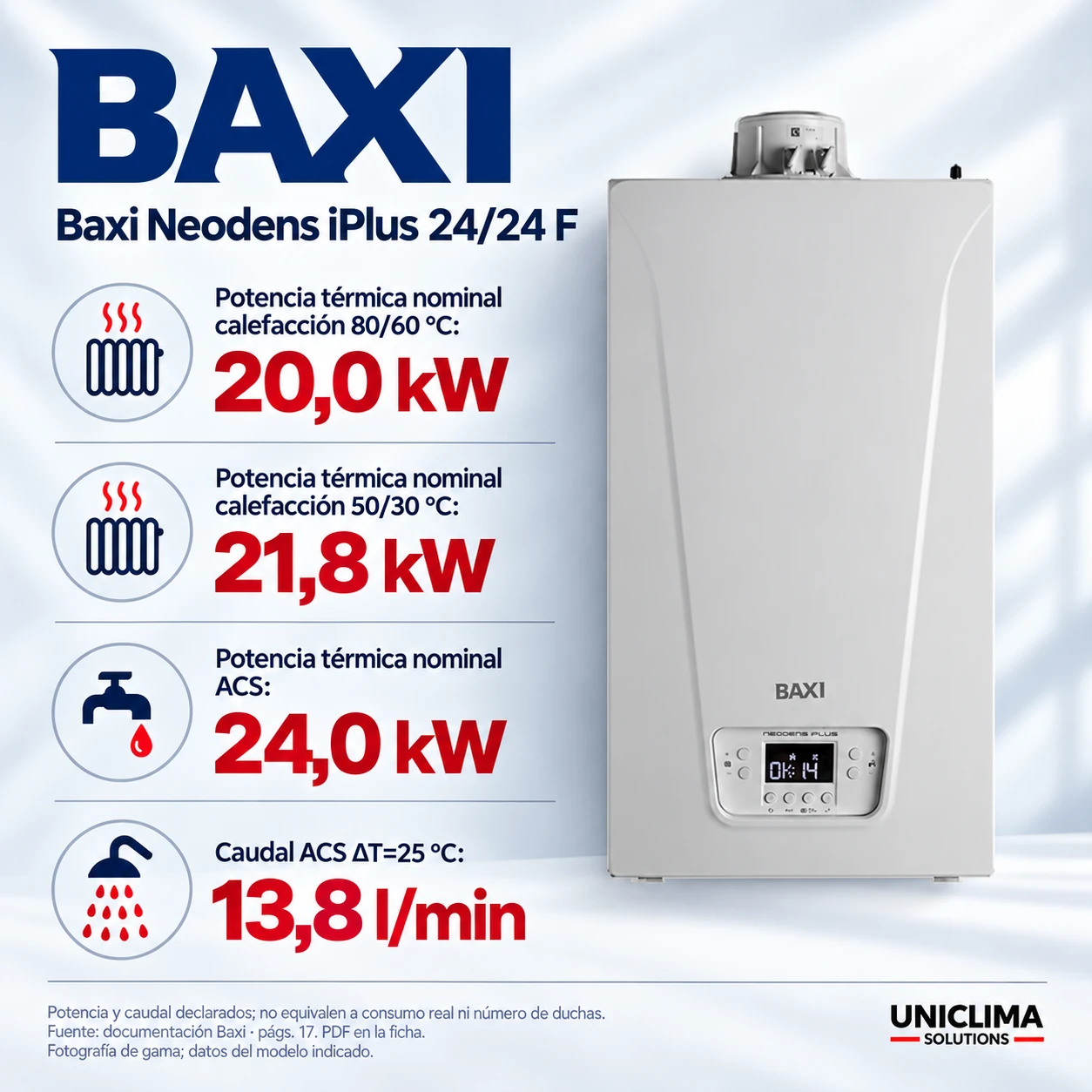
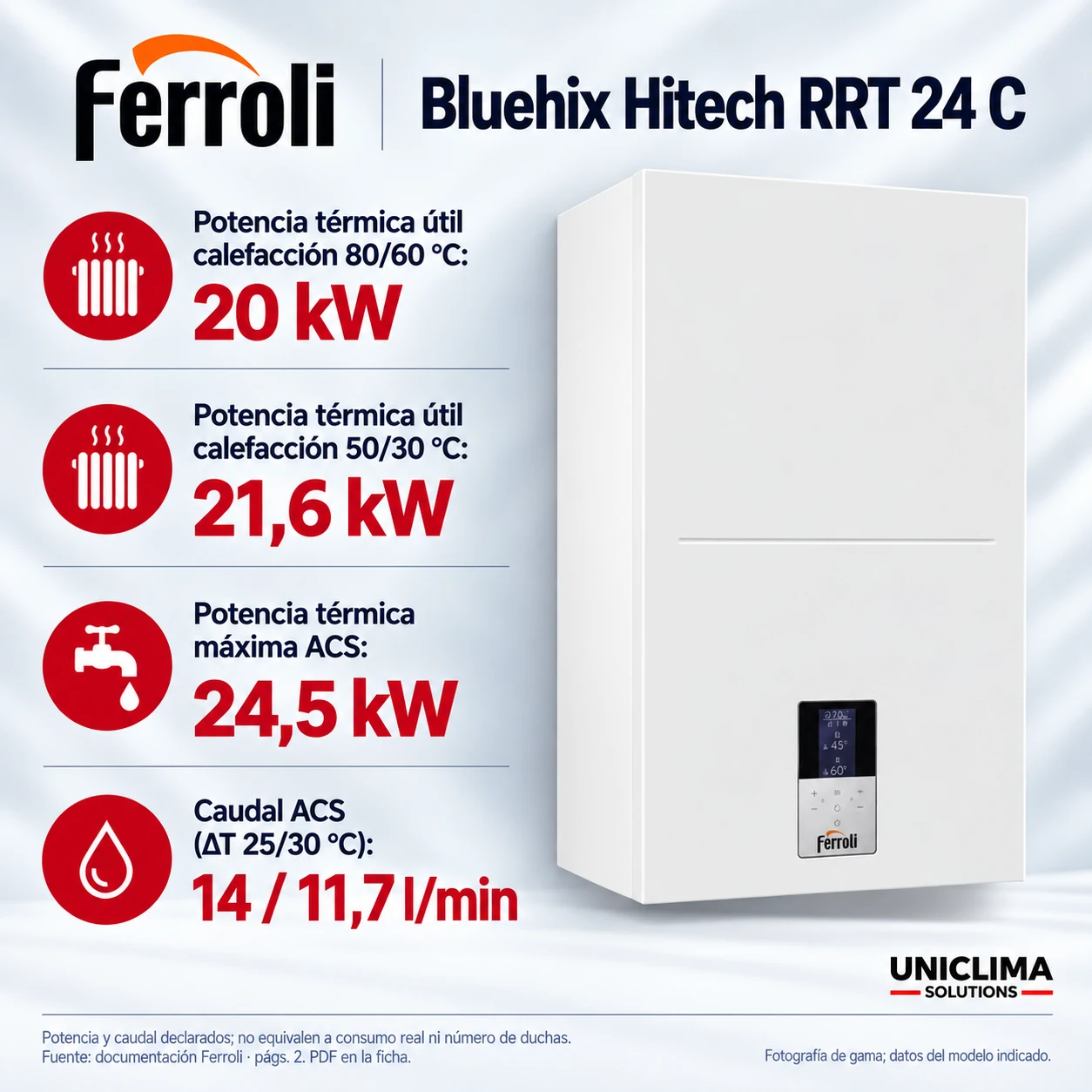
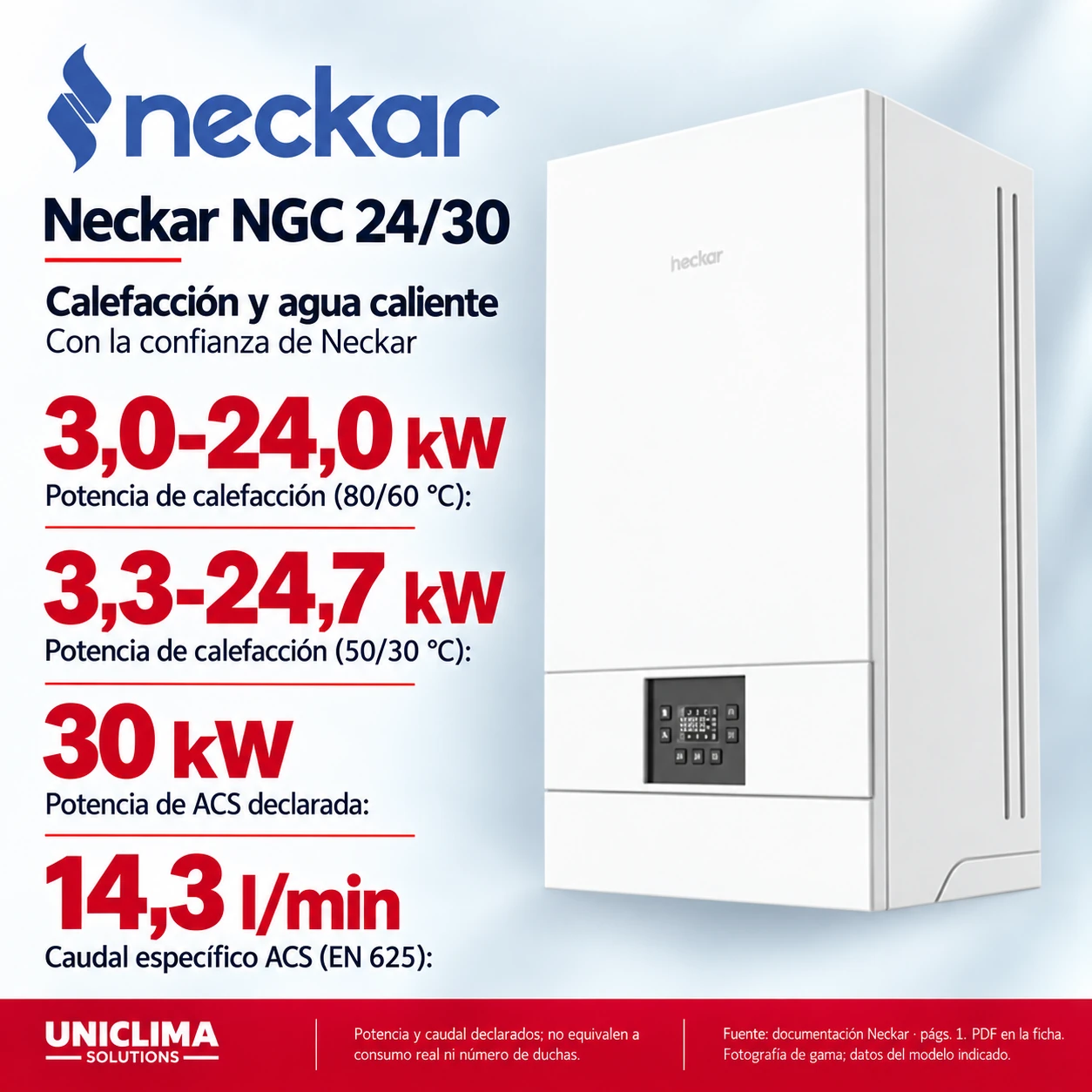
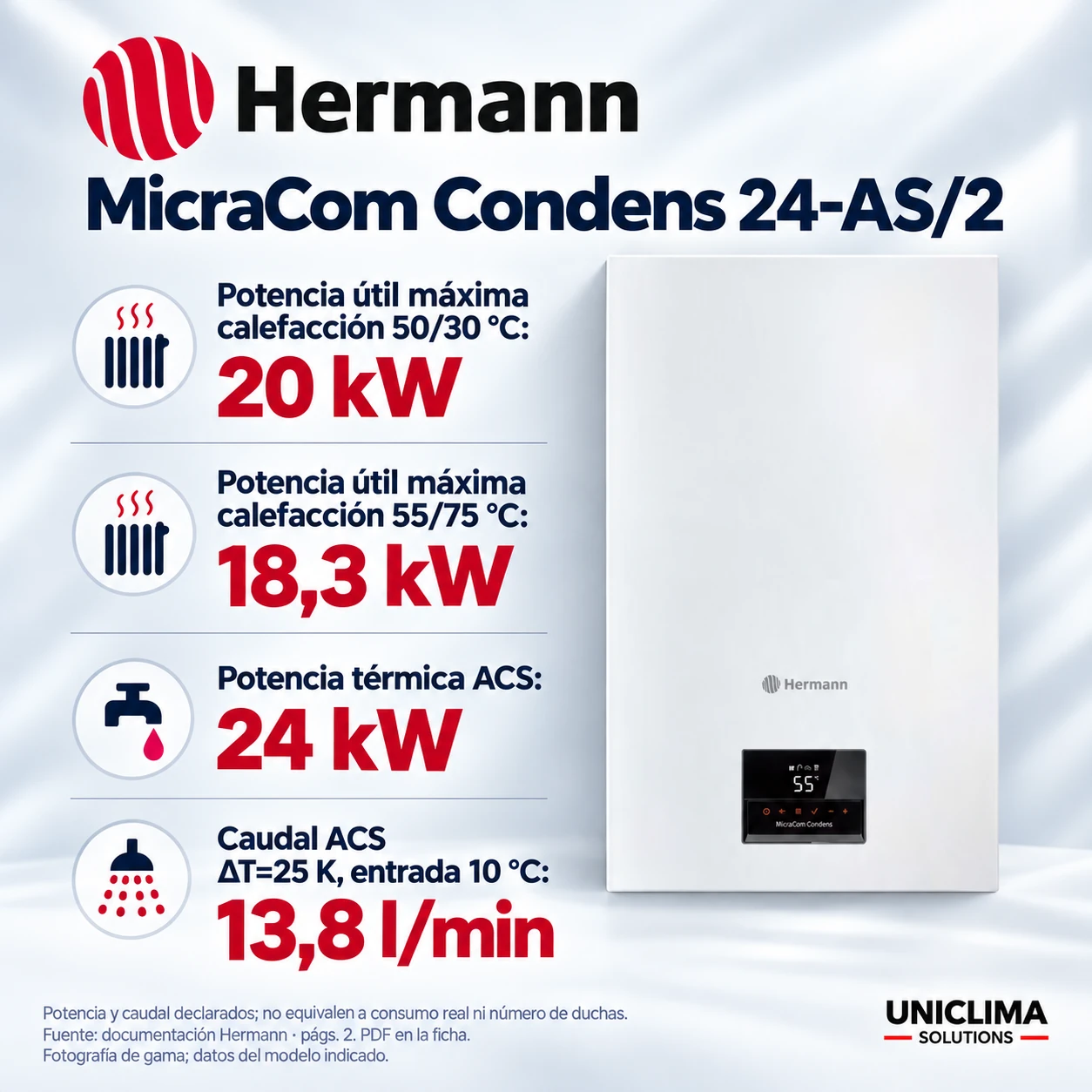
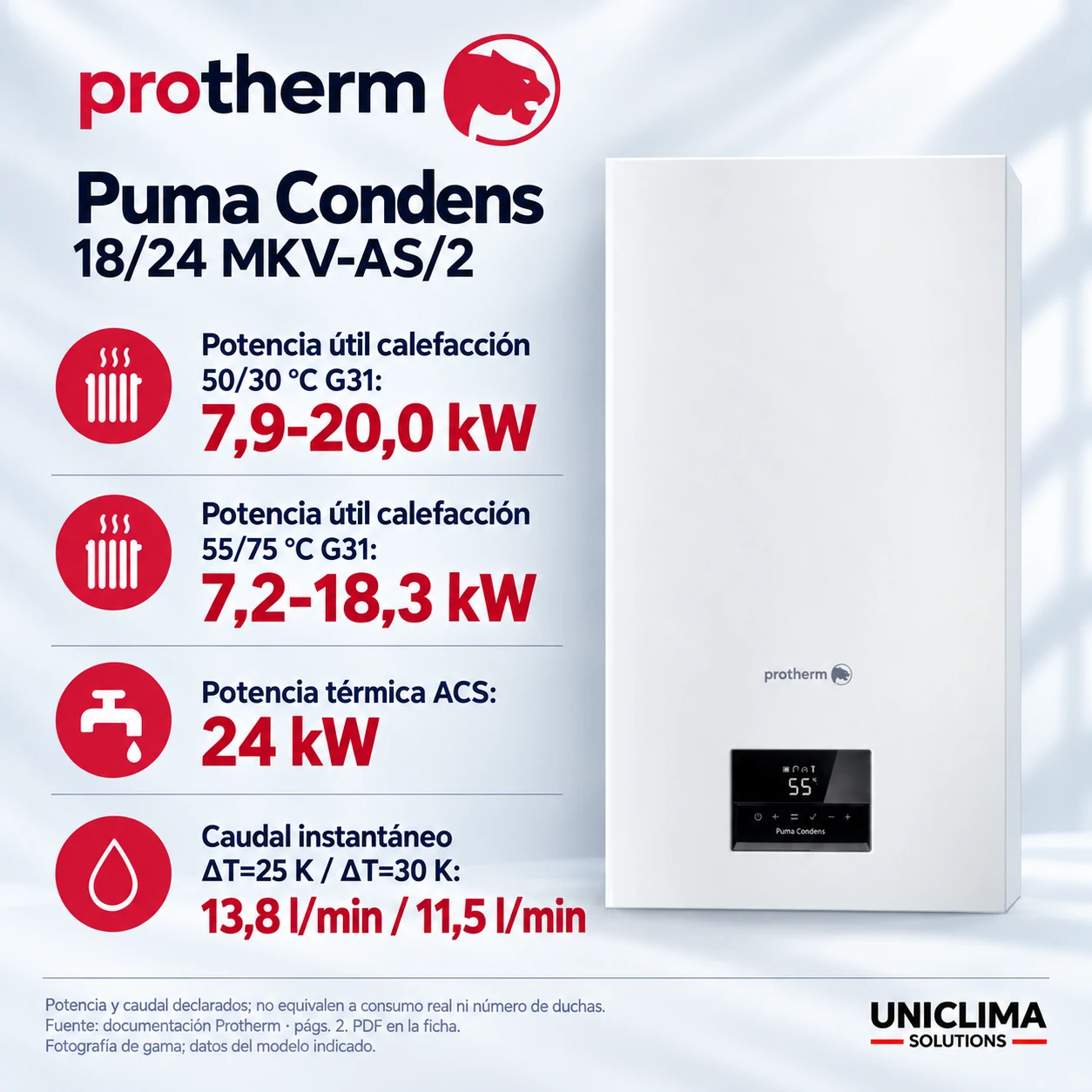
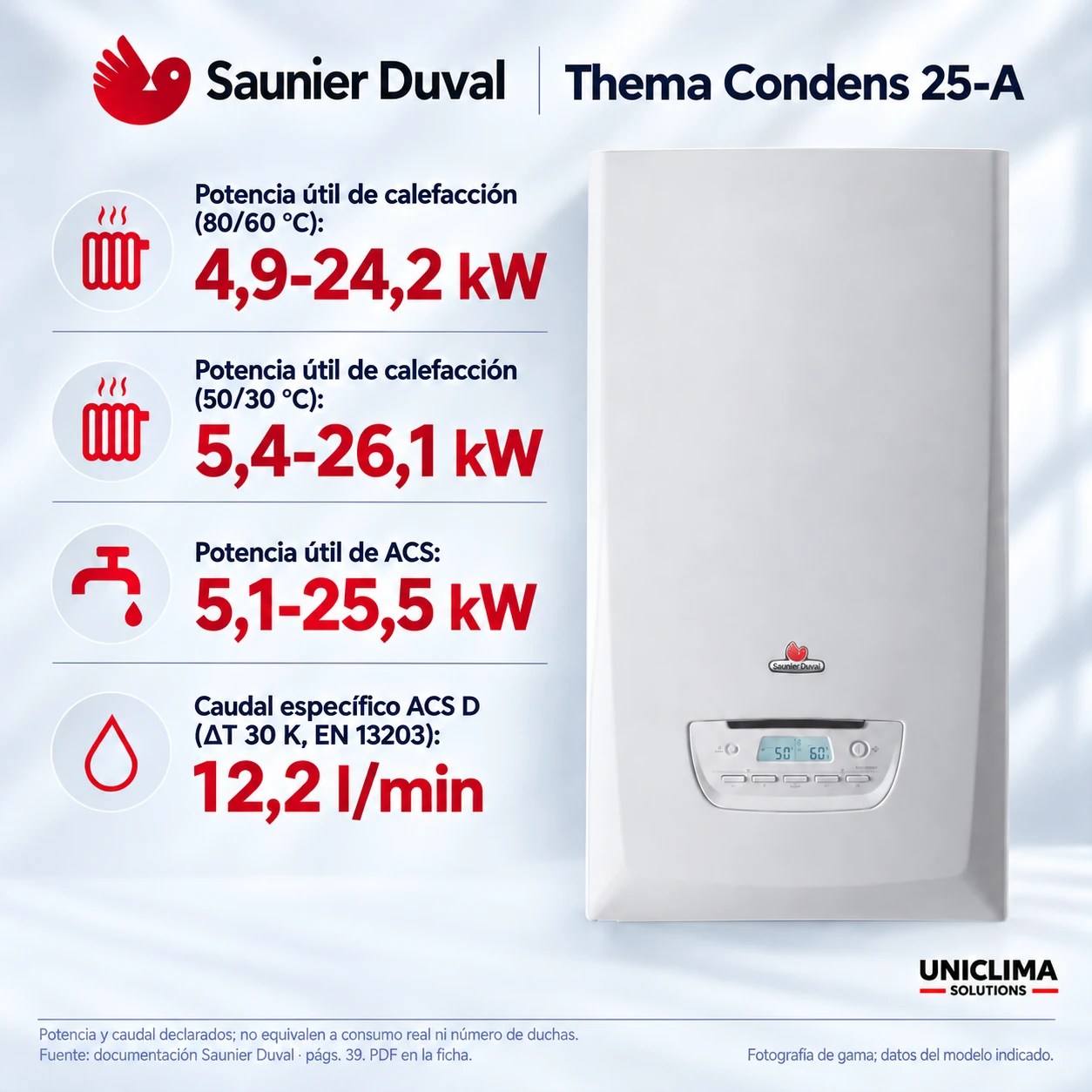
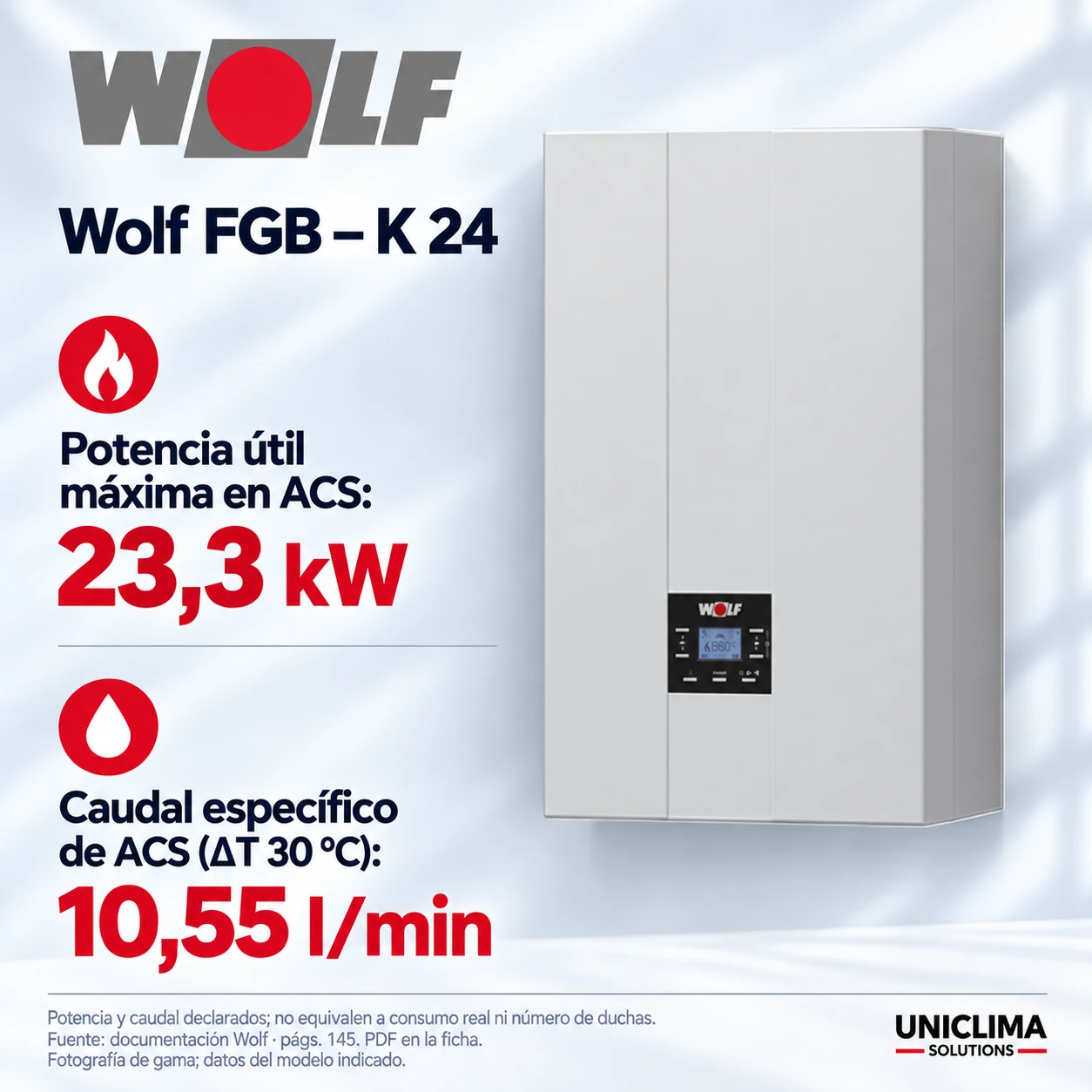
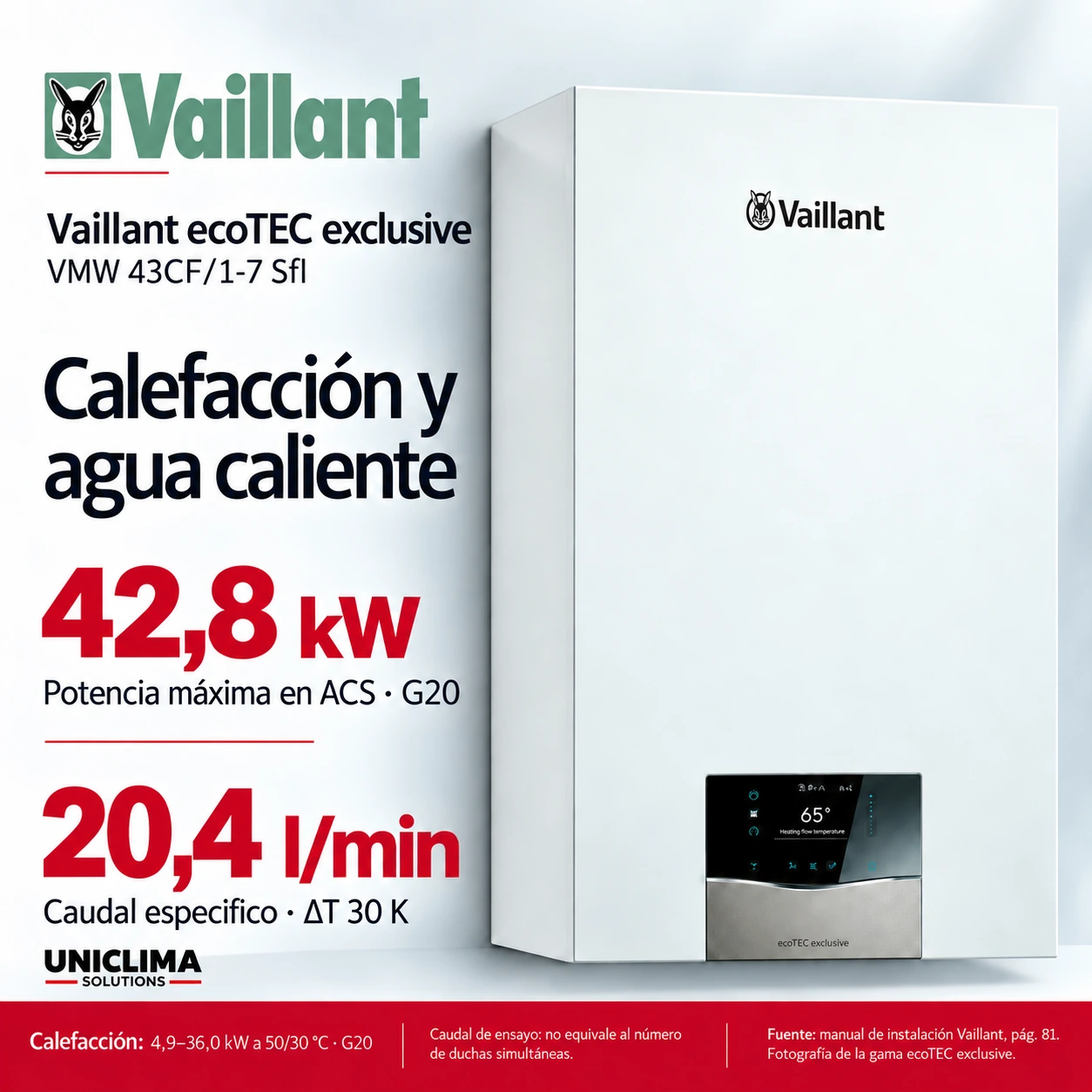
Distinguish heating power and domestic hot water performance. Check the modulation range, the flow rate with its temperature difference, the dimensions, the type of gas, and the included accessories. Do not compare measured flow rates under different conditions or choose power solely based on square meters.
Can I keep the connections and the flue when replacing it?
This should not be taken for granted. The proposal must review the compatibility of the exhaust, the condensate drainage, the connections, the maintenance space, and the manufacturer's instructions. Request that the necessary adaptations and accessories are explicitly listed in the quote.
What should I compare in a boiler maintenance service?
The planned operations for your model, the checks, the applicable frequency, and the exclusions. Clarify whether breakdowns, parts, and travel are contracted separately. Preventive maintenance does not equate to a repair by itself nor does it guarantee that all future incidents will be covered.




 Junkers
 Vaillant
 Baxi
 Saunier Duval
 Beretta
 Ferroli
 Ariston
 Chaffoteaux
 Cointra
 Fagor
 Viessmann
 Domusa
 Manaut
 Hermann
 Intergas
 Lamborghini
 Renova
 Sime
 Tifell
 Wiesberg
 Daikin
 Mitsubishi Electric
 Fujitsu
 Panasonic
 LG
 Samsung
 Mitsubishi Heavy
 Haier
 Midea
 Hisense
 Neckar
 Biasi
 Gree
 Toshiba
 Hitachi
 Carrier
 Daitsu
 Mundoclima
 Johnson
 Sanyo
 Airwell
 Kaysun
 Hiyasu